
In the oil-rich Niger Delta region of Nigeria, women have borne the heavy burdens of environmental pollution, health risks, and economic loss for decades. But today, they are standing up to lead a different future – one powered by clean, community-led renewable energy.
Over 100 women leaders, grassroots advocates, youth, and policymakers gathered at the NOSDRA Conference Hall in Port Harcourt for the Energy Transition Summit for Women in Rivers State.
Organized by the Society for Women and Youth Affairs (SWAYA), the summit coincided with Afrika Vuka Day a continent-wide rallying cry meaning “Arise Africa.” The message was clear: African women must be decision-makers, not passive observers, in the transition away from fossil fuels.
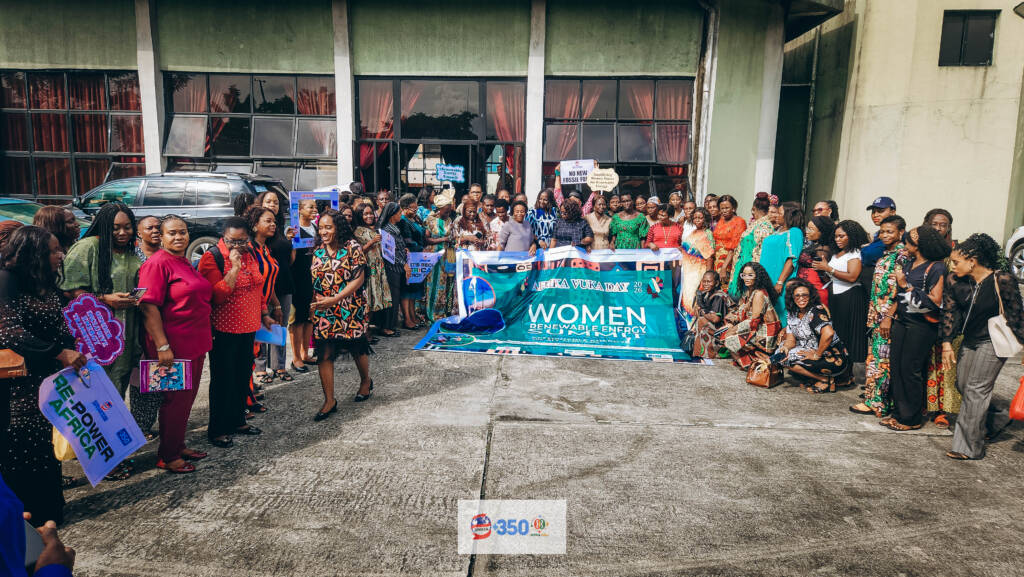
Unity across Communities
The gathering opened with prayers spoken in three distinct local languages: Ogoni, a dialect from Rivers West, and English. This moment set the tone for total inclusion, representing women across all three senatorial districts of Rivers State.
Opening the summit, Dr. Stella Amanie, Executive Director of SWAYA, reminded participants why women’s leadership is critical:
“African women have always been at the heart of community survival managing household energy, growing food, and caring for local environments. The energy transition is our window to claim our space as leaders, innovators, and clean energy entrepreneurs.” Amanie Stella, Executive Director, SWAYA
Connecting Local Realities to Global Struggles
The summit brought together grassroots experiences and global perspectives. Virtual speakers joined from Argentina, India, and Germany to connect local issues in the Niger Delta with global movements for climate and gender justice.
-
Feminist environmentalism: Prof. Maria Jose Lubertino from Argentina highlighted how the Global South suffers the worst impacts of fossil fuels. She emphasised that transitioning to clean energy must dismantle historical inequalities, putting care and justice at the center.
-
Grassroots Innovation: Deepali Atul Deokar shared stories of rural women in India leading sustainable farming and energy saving with minimal resources. Her key message: Women are already transitioning on their own—imagine what happens when they get full financial support.
-
Practical action: Dr. Isimemen Osemwegie led participants through the daily realities of power outages and rising fuel costs in Nigeria, urging women to step up as clean energy leaders rather than viewing themselves as victims.
From Oil Exploitation to Green Opportunities
Decades of oil extraction have harmed local livelihoods in Rivers State. Transitioning to renewable energy like solar and wind offers a fresh path forward – but only if it is accessible and affordable for everyone.
Summit participants highlighted key priorities to make this transition just:
-
Financial Access: Providing funding and grants for women starting green energy businesses.
-
Skills & Education: Offering technical training in solar installation, maintenance, and STEM fields for young women.
-
Community Policy: Ensuring rural women have a direct seat at the table when government energy plans are written.
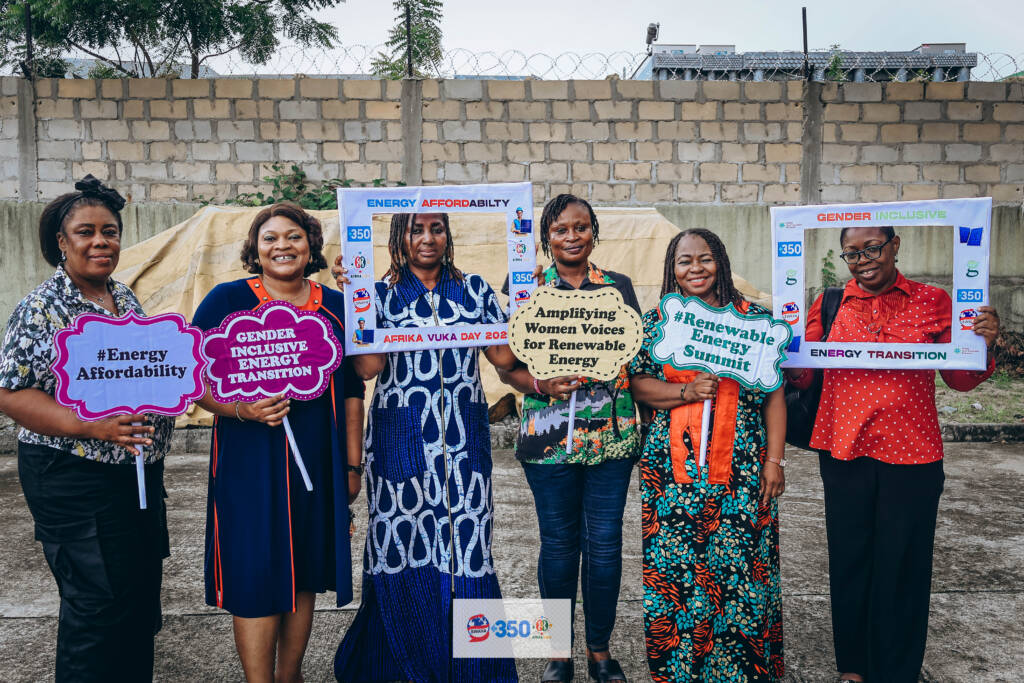
Arising together for Climate Justice
The summit concluded with a unified statement calling on government leaders and organisations to back women-led renewable projects. Women in Rivers State are proving that clean energy is about more than technology. It is about economic rights, health, and community power. By claiming their place in the green economy, these leaders are helping build an equitable, fossil-free future for all of Africa.