
In Mugunga, a community in Goma, Democratic Republic of Congo (DRC), women are leading a clean energy revolution right from their backyards.
As part of the Afrika Vuka Week of Action a continent-wide movement driving community-led climate solutions across Africa – local activists came together to tackle two huge challenges at once: high energy costs and deforestation.
How? By turning everyday organic waste into clean, affordable cooking fuel.
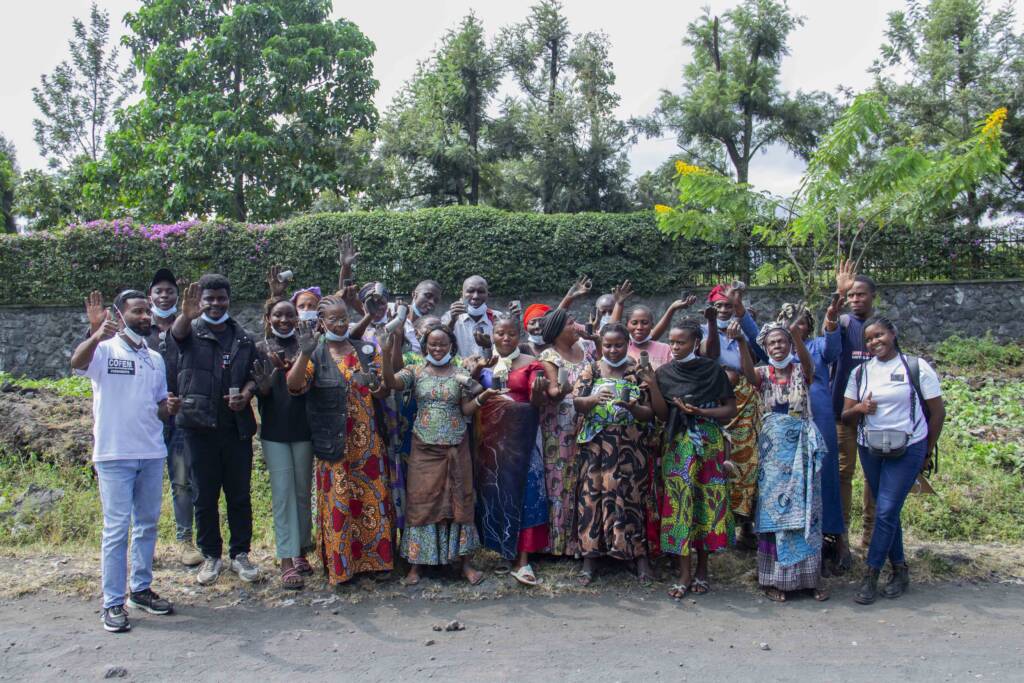
Clean energy, safer homes, stronger Communities
For many families in eastern DRC, cooking a meal means relying on expensive charcoal or walking long distances to collect firewood. This places a heavy burden on household budgets, harms local health, and drives deforestation across critical ecosystems.
To change this, Climate Clock DRC organised a community-led training focused on making ecological briquettes. These briquettes are made by recycling local organic waste, including agricultural leftovers and charcoal dust.
Women, youth, community leaders, and local officials gathered for interactive workshops and live demonstrations. Together, they learned how to select materials, produce briquettes, ensure quality control, and safely burn them for daily cooking.
Why ecological briquettes matter? Ecological briquettes offer a simple, powerful solution for communities on the frontlines of the climate crisis:
-
Lower costs: Families spend significantly less money on daily fuel.
-
Forest protection: Using waste instead of raw wood cuts down on the need for charcoal, preserving local trees and reducing greenhouse gas emissions.
-
Better health: Cleaner-burning fuel creates less toxic smoke in homes.
Turning Green skills into Livelihoods
This activity went beyond basic training. It focused on long-term economic power for women.
Participants learned business and marketing skills to help them sell briquettes locally. By forming community production groups, women can now earn a reliable income, pool their resources, and build financial independence.
“When women lead the transition to clean energy, whole communities become more resilient. This is what a just, community-driven energy transition looks like in practice.” Crispin Ngakani
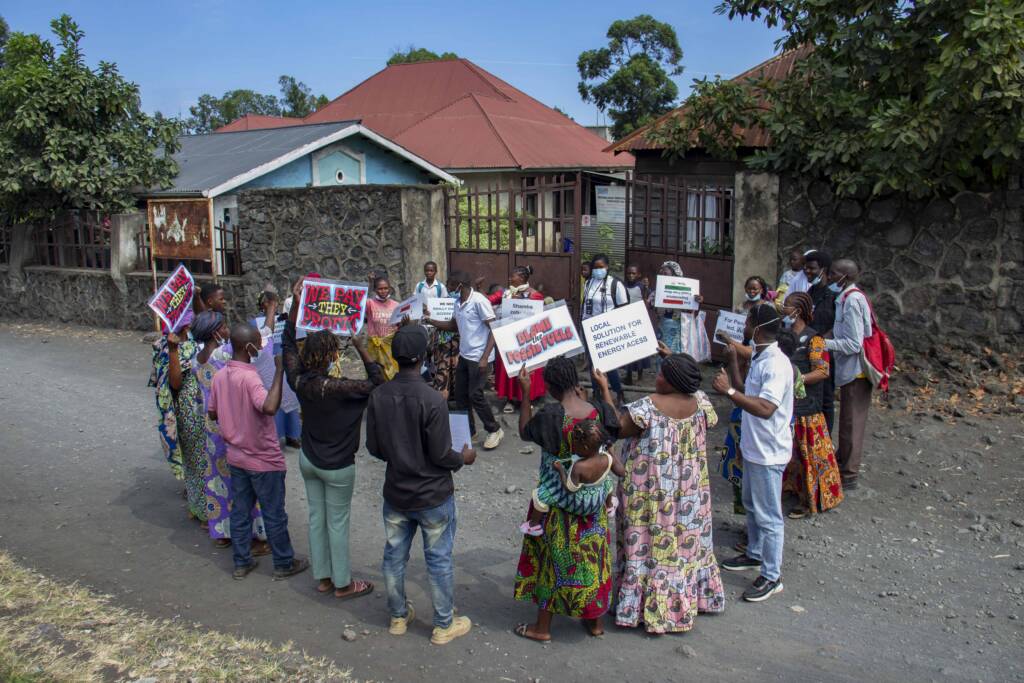
Building a future led by Communities
The initiative showed the power of local collaboration. By bringing together residents, civil society organisations, and local government representatives, Mugunga took a practical step toward an equitable energy transition. Women-led clean energy enterprises are proving that real climate solutions don’t always require massive, top-down projects. Sometimes, the most transformative solutions start right at home, built by the people who need them most.
By: Climate Clock DRC