
2026 THEME: AFFORDABLE ENERGY
Africa stands at a pivotal crossroads: the climate crisis is intensifying disproportionately affecting marginalised communities particularly women and youth who have contributed the least to it. Yet, the continent is home to some of the world’s most abundant renewable‑energy resources and a vibrant, youth‑driven climate movement.
This means moving to solar, geothermal and wind power in a way that is fair, affordable, and doesn’t trap African countries in more debt. Throughout this week, we used local events and online campaigns to champion continental solidarity demonstrating that affordable, clean energy is a basic human right not a privilege. These actions were designed to dismantle the debt-heavy funding models that burden African people and instead campaign for a renewable energy where affordability is recognised as a fundamental human right.
Afrika Vuka Week has become our annual moment to channel Pan‑African solidarity into bold, collective action for climate justice. This year, we stood together to demand for Energy Affordability.
Together, we are building a pan-African movement advocating for affordable clean energy that is rooted in people’s power & lived realities for climate justice.
THE GROUND ACTIONS
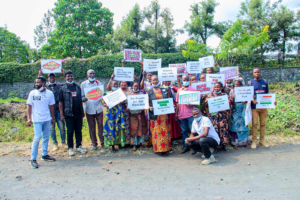
DRC – Community Dialogue
Organised by Climate Clock, an active climate advocacy grassroots initiative in the Democratic Republic of Congo aligned with the global Climate Clock project.
Participants received practical training on the production of ecological briquettes using locally available organic waste such as agricultural residues
and charcoal dust.
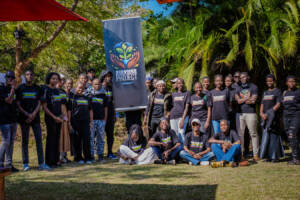
Zimbabwe – Youth Engagement
Led by Sisonke Project, a youth led grassroots organisation that focuses on environmental conservation, climate action and community resilience. The day started with interviews on the streets of Harare, an artivism session and ended at the Bokola Film Festival.
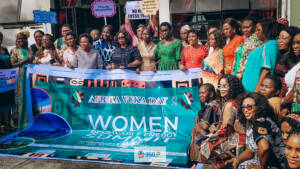
Nigeria – Activism Workshop
Facilitated by Society for Women and Youth Affairs (SWAYA), based in Niger Delta, working on development, empowerment and rights of women and youth. The summit convened over a hundred participants
ranging from women leaders, grassroots women, environmental advocates, to deliberate on the place of
women within the global shift from fossil fuels to renewable energy systems.
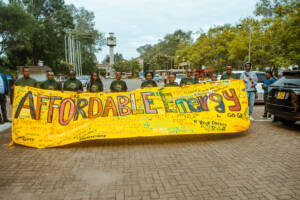
Kenya – Climate Art Concert
Led by JPIC Franciscan and Laudato Si Movement, working to promote human rights, social justice, and environmental care.
The action mobilised activists from different categories to raise an alarm to all Kenyans on the urgent need to demand for energy affordability.
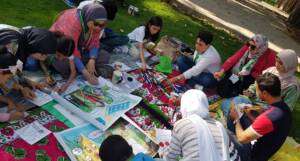
Egypt – Student Artivism
Planned by Green Society, an environmental education and climate-art platform, working to promote environmental awareness through education, arts, and culture.
With 70+ participants from different ages, they explored energy transition through an educational, artistic, and enjoyable experience.
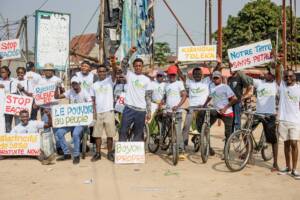
DRC – Cycling March
Facilitated by Shujaa Initiative who bring together children, young victims and survivors of war and disasters due to climate change.
They cycled over 5km through the city raising awareness about communities on climate justice.
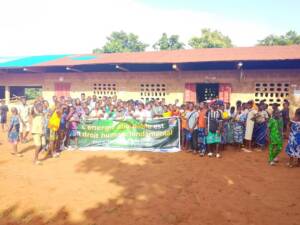
Benin -Community Dialogue
Organised by Afrique Solidarité Emploi Formation et Création d’Entreprises (ONG ASEFCE), who are dedicated to youth empowerment, employment, climate action, and sustainable development.
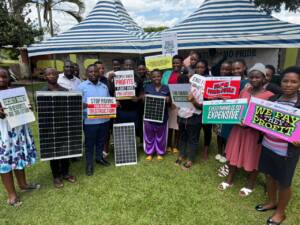
Uganda – RE Workshop
Led by Youth for Nature Conservancy, who are working for sustainable conservation and management of natural resources for the benefit of communities and to accelerate the energy transition through youth led collective action.
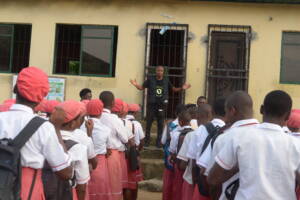
Nigeria – Student Engagement
Planned by Quest For Growth and Development
Foundation, who are empowering vulnerable communities by advancing climate resilience, environmental justice, sustainable development, and social inclusion
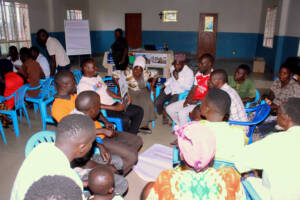
Uganda – RE Assembly
Led by Centre for Environmental Research and Agricuture Innovations a youth-led organisation dedicated to environmental conservation, climate justice, and natural resource governance.
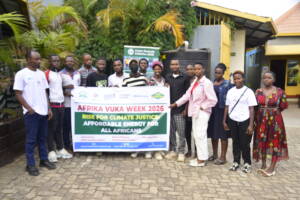
Rwanda – Community Training
Planned by Green Rwanda Initiative (GRI) a youth led organisation that focuses on ecosystem restoration, agroforestry and empowering women and youth for climate action.
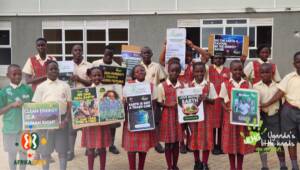
Uganda – School Outreach
Facilitated by Little Hands Go Green who are working to nurture and empower children as the main drivers of environmental conservation education in their schools and communities.